Training Topics
📚 Education & Professional Development
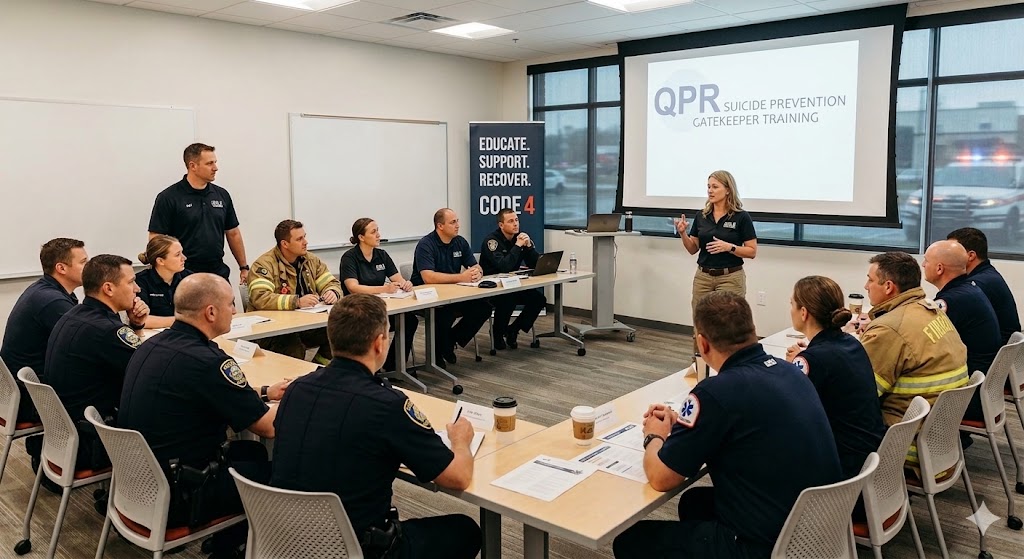
At First Responder Code 4 Wellness, we believe that education is the first line of defense in maintaining the mental health and readiness of our personnel. Our founders provide training and resources that are peer-driven, culturally competent, and non-clinical.
Peer Support Fundamentals We offer support on building a culture of confidentiality and trust, incorporating the “Vegas Rule” and specialized peer support strategies designed specifically for the first responder environment.
QPR Suicide Prevention Gatekeeper Training As Certified Instructors, we provide the “Question, Persuade, Refer” curriculum. This training equips responders with the skills to recognize warning signs and connect peers to the appropriate resources before a crisis escalates.
Trauma-Informed Crisis Support (NOVA Standards) Our approach to immediate peer support is informed by the National Organization for Victim Assistance (NOVA) Crisis Response Team standards. We utilize these best practices to provide effective, trauma-informed care following critical incidents.
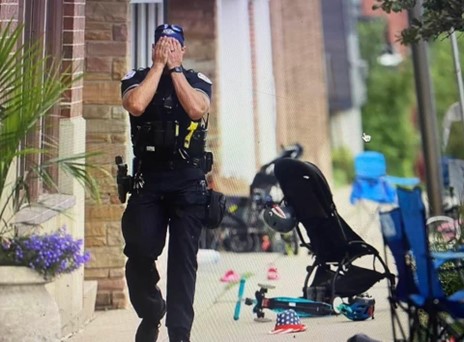
Crisis Intervention Skills
CISM Trained
Develop practical tools for de-escalation and effective communication during high-stress incidents using proven Critical Incident Stress Management (CISM) techniques.
Peer Support Fundamentals
Understand the value of confidential, peer-driven support and how to connect colleagues with resources.

Chief Mike Warner Scholarship
The Chief Mike Warner Scholarship supports first responders who are committed to advancing their education and skills. This scholarship honors Chief Warner’s legacy of leadership, learning, and service. Eligibility: Open to all active first responders and correction officers. How to Apply: Visit ChiefMikeWarner.com for details and application instructions.

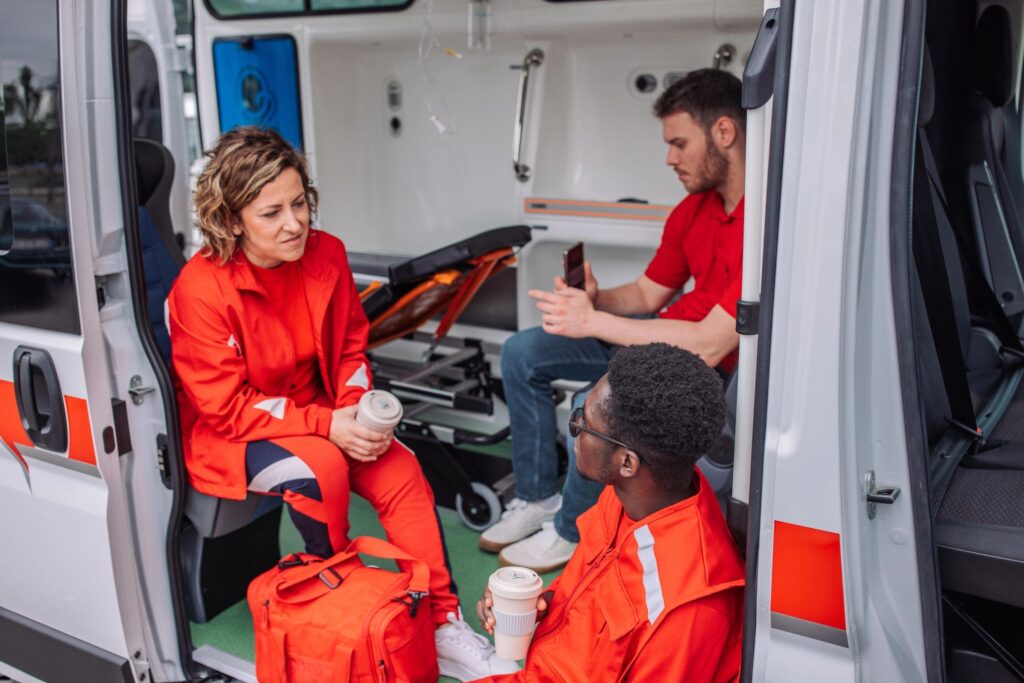
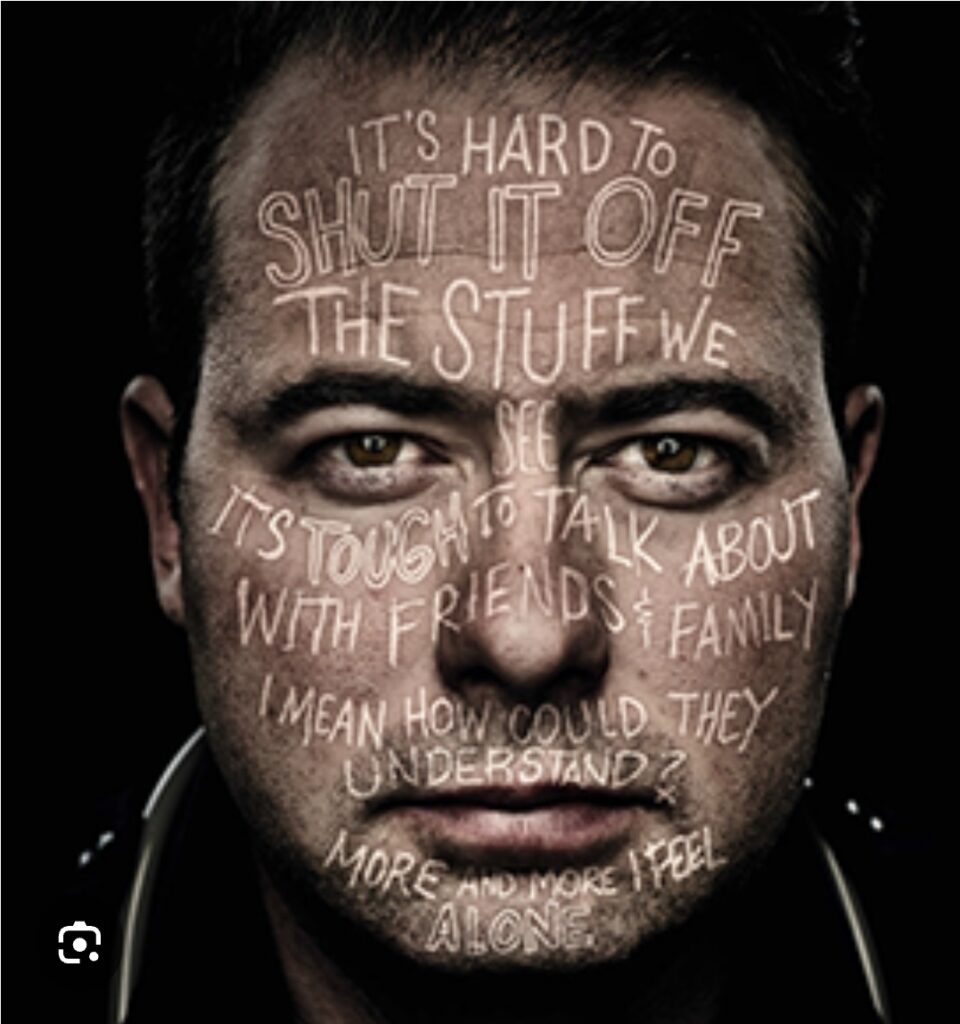
Education for First Responders: Building Resilience and Awareness
The Shift Change Protocol
Closing the Loop on the Last 12 Hours
The job doesn’t end when you clock out; it ends when your body successfully exits “work mode.” Use this protocol to transition from the street to the home.
1. The “De-Load” (Physical)
Before you get in your personal vehicle, spend 5 minutes resetting your frame.
- Gear Check: Remove the duty belt or heavy vest immediately. Do not drive home in your gear if possible.
- The Decompression: Find a wall or the back of your rig. Perform a Tactical Hang or a Couch Stretch for 2 minutes. This signals to your nervous system that the physical “threat” is over.
- Hydration Flush: Drink 16oz of water before leaving the parking lot. Dehydration keeps cortisol levels elevated.
2. The “Box Breath” Drive (Neurological)
Don’t use the drive home to replay the bad calls. Use it to down-regulate your nervous system.
The Goal: Shift from the Sympathetic (Stress) nervous system to the Parasympathetic (Recovery) nervous system. If you arrive home with a racing heart, you haven’t finished the shift.At First Responder Code 4 Wellness, we believe that education is a critical component of resilience and wellness. Our programs are designed to equip first responders and correction officers with the knowledge and skills to manage stress, support peers, and foster a culture of mental health awareness.
The 4-4-4-4 Method: Inhale for 4, hold for 4, exhale for 4, hold for 4.
Training is tailored to the unique needs and experiences of those who serve on the front lines. We emphasize practical skills, real-world scenarios, and the importance of confidential peer support.
3. The Sensory Reset (Environmental)
When you walk through the door, your environment should be the opposite of the station.
- Light Control: If it’s morning after a night shift, wear blue-light blocking glasses. Avoid bright overhead lights at home.
- Temperature Drop: Take a cool shower or lower the thermostat. A drop in core body temperature is the primary biological trigger for sleep.
- Digital Blackout: No scrolling. The blue light from your phone after a 12-hour shift is “liquid caffeine” for your brain.
4. The “Mental Locker” (Psychological)
The Transition Ritual: Have one specific action—showering, changing clothes, or a 5-minute walk—that signifies the “Work You” is off-duty and the “Home You” is present.
Write it down: If a specific call is looping in your head, get it out of your brain and onto paper.
Ready to Learn More or Request a Training?
Contact us to schedule to find out how our educational resources can support your department.